
Piles Treatment

Image

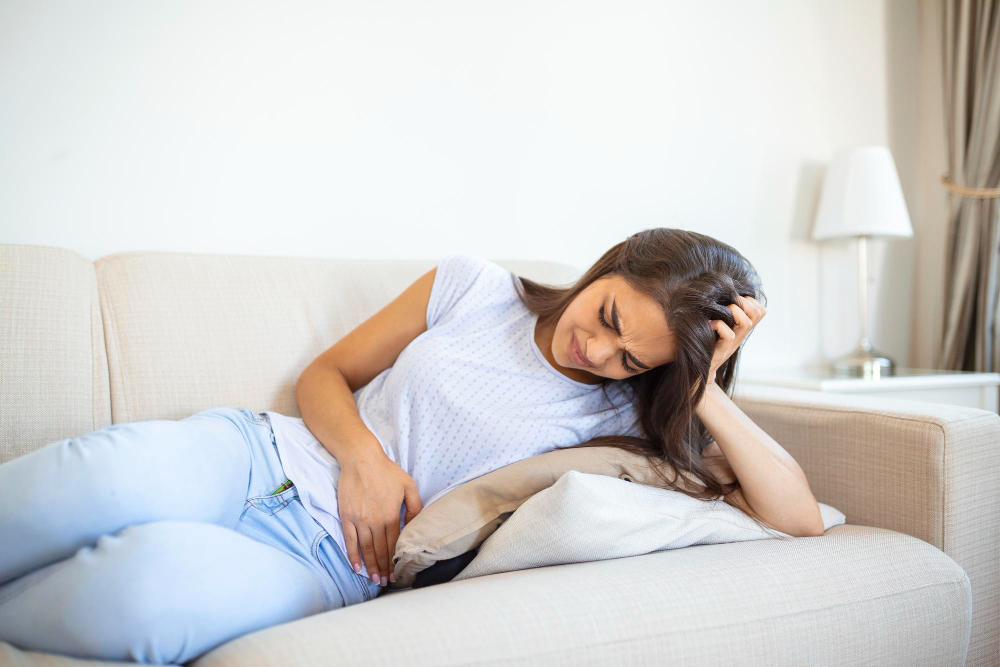
Ayurveda offers a holistic and complementary approach to managing Piles (known as Arsha) by addressing the root causes such as digestive imbalance, chronic constipation, poor lifestyle habits, and aggravated doshas. Rather than only providing symptomatic relief, Ayurvedic treatment focuses on correcting digestion, detoxification, healing affected tissues, and preventing recurrence. It is important to note that modern medicine considers piles a manageable condition that may require medical or surgical intervention in severe cases. Ayurvedic treatments can be used alongside conventional care after consultation with qualified healthcare professionals.

  • Description
  • Herbal Remedies
  • Dietary and Lifestyle Modifications
  • Exercise

Dosha Balance

According to Ayurveda, piles primarily arise due to an imbalance of Vata, Pitta, and Kapha doshas.

  • Vata imbalance: Causes dryness, constipation, pain, and hard stools

  • Pitta imbalance: Leads to inflammation, burning sensation, and bleeding piles

  • Kapha imbalance: Results in swelling, heaviness, itching, and mucus discharge

Detoxification (Panchakarma)

Ayurvedic detoxification therapies help cleanse the digestive system and reduce doshic imbalance.

  • Virechana (Purgation Therapy):Helps eliminate toxins and excess Pitta, especially beneficial in bleeding piles.

  • Basti (Medicated Enema):Highly effective for Vata-related piles and chronic constipation; strengthens the colon and improves bowel movement.

  • Kshara Karma:A minimally invasive Ayurvedic procedure using herbal alkaline preparations to shrink pile masses in selected cases.


Ayurveda uses time-tested herbs known for their anti-inflammatory, laxative, wound-healing, and blood-purifying properties.

  • Triphala

  • Improves digestion, relieves constipation, and promotes bowel regularity.

  • Arshoghni Vati / Abhayarishta

  • Commonly prescribed formulations for reducing pile mass and improving digestion.

  • Haritaki

  • Acts as a natural laxative and strengthens intestinal function.

  • Neem

  • Helps reduce inflammation, infection, and itching.

  • Aloe Vera

  • Soothes inflamed tissues and promotes healing.

Diet and daily habits play a critical role in both treatment and prevention of piles.

Recommended Foods (Pathya):

  • High-fiber foods (whole grains, fruits, leafy vegetables).

  • Psyllium husk (Isabgol) for smooth bowel movement.

  • Plenty of fluids (lukewarm water)

  • Buttermilk with roasted cumin

  • Warm, freshly cooked meals

Foods to Avoid (Apathya):

  • Prolonged sitting or straining during bowel movements.

  • Spicy, oily, and fried foods.

  • Processed and junk foods.

  • Excess tea, coffee, and alcohol.

  • Yoga Asanas:

  • Malasana, Pawanmuktasana, Vajrasana improve digestion and circulation.

  • Pranayama:

  • Anulom Vilom and deep breathing reduce stress and improve gut health.

  • Healthy Bowel Habits:

  • Avoid delaying natural urges and excessive straining.

  • Stress Management:

  • Meditation helps regulate digestion and prevent constipation.

Restoring balance of doshas

To Maintain Physical, Mental, and Emotional Health.

Treating the root cause

Ayurveda removing the root cause of disease for long-term healing.

Promoting Longevity

Ayurveda works on disease prevention, improved immunity,

WhatsApp