Parkinson’s Treatment

Image

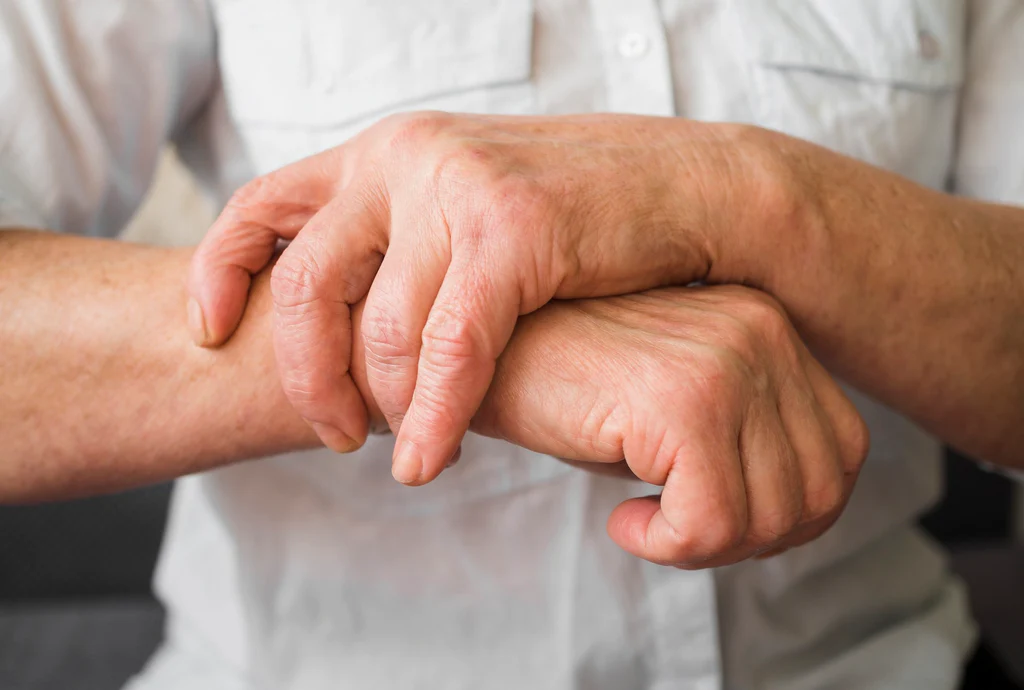
Parkinson’s disease is a neurodegenerative disorder characterized by tremors, rigidity, slow movement (bradykinesia), and postural instability. In Ayurveda, it is often associated with an imbalance of Vata dosha, which governs movement, nerve impulses, and coordination. The disease is termed Kampavata due to the shaking/trembling (kampana) observed in patients. Ayurvedic management focuses on neuroprotection, Vata balancing, detoxification, rejuvenation (Rasayana), and lifestyle modifications.

  • Description
  • Herbal Remedies
  • Dietary and Lifestyle Modifications
  • Exercise

Dosha Balance

  • Parkinson’s disease is primarily a Vata disorder, leading to neurodegeneration, tremors, and stiffness.

  • Ayurvedic therapy seeks to pacify Vata through oil therapies, herbs, and lifestyle adjustments.

Detoxification (Panchakarma)

Therapies are used to eliminate toxins (ama) and excess mucus from the body

  • Abhyanga (Oil Massage): Warm herbal oils are massaged to calm Vata, improve circulation, and enhance muscle flexibility.

  • Shirodhara: Continuous pouring of medicated oil on the forehead to reduce stress, improve sleep, and enhance nervous system function.

  • Basti (Medicated Enema): Particularly Anuvasana Basti with oil-based formulations to pacify Vata and improve neuro-muscular coordination.

  • Nasya: Medicated oils or powders administered via the nasal route to nourish the brain and nervous system.

Ayurveda uses herbs with neuroprotective, anti-inflammatory, antioxidant, and Vata-pacifying properties.

  • Ashwagandha (Withania somnifera)

  • Supports nerve health, reduces oxidative stress, improves motor function, and enhances stamina.

  • Brahmi (Bacopa monnieri)

  • Enhances cognition, memory, and neural regeneration.

  • Guduchi (Tinospora cordifolia)

  • Acts as a Rasayana, boosts immunity, and detoxifies the body.

  • Shatavari (Asparagus racemosus)

  • Nourishes the nervous system and supports overall vitality.

  • Turmeric (Curcuma longa)

  • Anti-inflammatory and antioxidant properties protect neurons.

Recommended Foods (Pathya):

  • Warm, cooked, easily digestible foods to reduce Vata aggravation.

  • Include healthy oils (ghee, sesame) to lubricate joints and nerves.

  • Spices: Turmeric, ginger, cinnamon to reduce inflammation and improve circulation.

  • Proteins: Moderate intake from legumes, milk, and nuts to support muscle health.

Foods to Avoid (Apathya):

  • Excessive caffeine, and foods that increase Vata (crunchy, dry, bitter).

  • Cold, heavy, and fried foods.

  • Processed and refined sugars.

  • Yoga and Pranayama:

  • Gentle movements, stretching, and breathing exercises improve flexibility, coordination, and balance (e.g., Surya Namaskar, Anulom Vilom, Bhramari).

  • Physical Therapy:

  • Integrates Ayurvedic recommendations with physiotherapy to maintain mobility and prevent rigidity.

  • Meditation:

  • Reduces stress, improves focus, and calms the nervous system.

Restoring balance of doshas

To Maintain Physical, Mental, and Emotional Health.

Treating the root cause

Ayurveda removing the root cause of disease for long-term healing.

Promoting Longevity

Ayurveda works on disease prevention, improved immunity,

WhatsApp