
Arthritis Treatment

Image

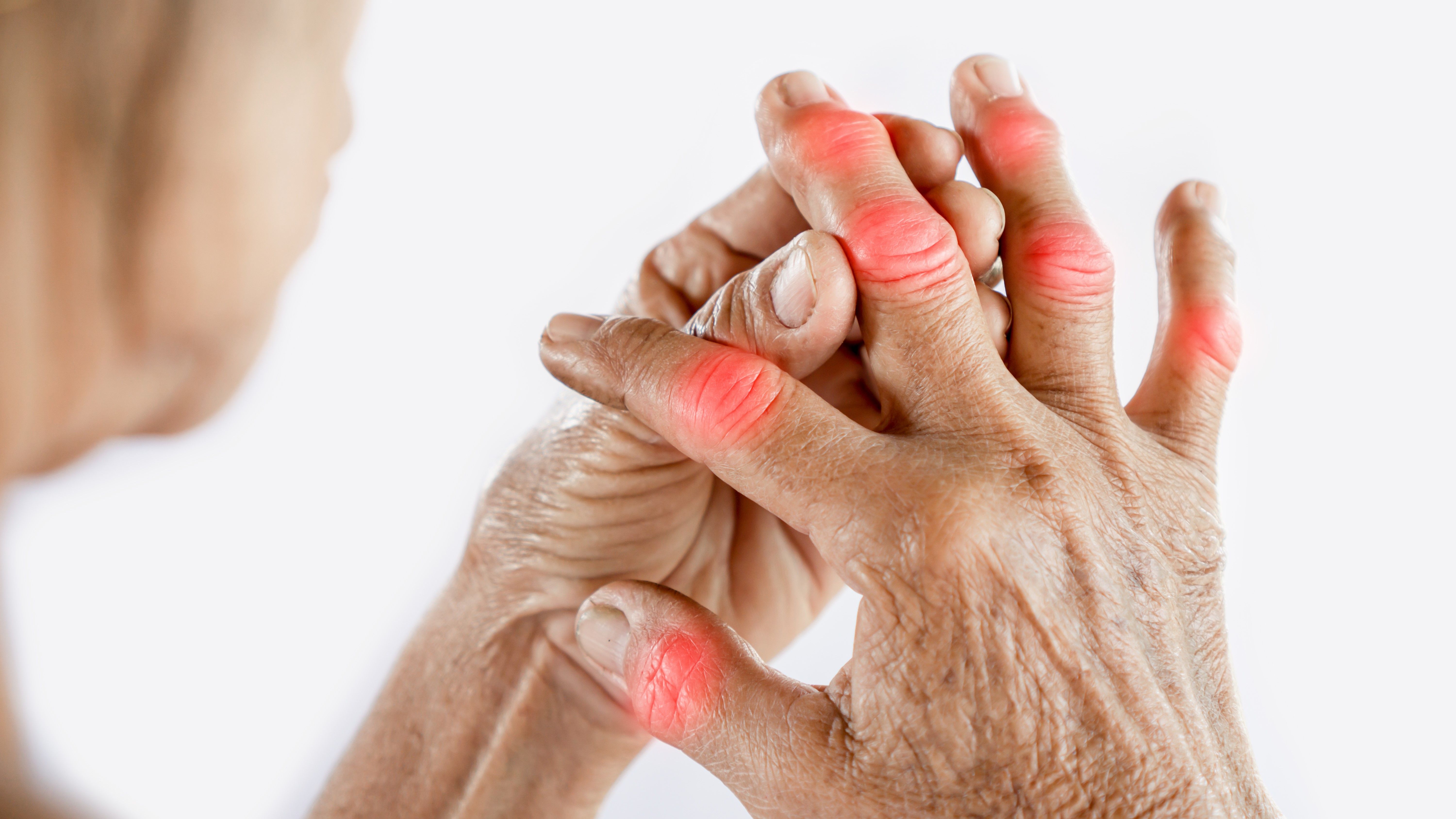
Ayurveda offers a holistic and complementary approach to managing arthritis, focusing on restoring balance in the body’s doshas, reducing inflammation, detoxification, and improving joint function. In Ayurveda, arthritis is broadly classified under conditions such as Sandhivata, Amavata, and Vatarakta, depending on the underlying cause and doshic imbalance. While conventional medicine views arthritis as a chronic condition managed primarily through pain relief and inflammation control, Ayurveda aims to address the root cause and slow disease progression through natural therapies and lifestyle changes. Ayurvedic treatments can be safely integrated with modern medicine under the guidance of proper medical supervision.

  • Description
  • Herbal Remedies
  • Dietary and Lifestyle Modifications
  • Exercise

Dosha Imbalance

Arthritis is mainly associated with an imbalance of Vata dosha, often combined with Kapha or Ama (toxins) accumulation.

  • Vata aggravation leads to joint pain, stiffness, dryness, and degeneration.

  • Ama accumulation causes swelling, heaviness, and inflammation, particularly in conditions like Amavata

Detoxification (Panchakarma)

Panchakarma plays a key role in eliminating toxins, reducing inflammation, and nourishing joints.

  • Abhyanga: Medicated oil massage to improve circulation, reduce stiffness, and pacify Vata.

  • Swedana: Herbal steam therapy to relieve joint stiffness and pain.

  • Virechana: Therapeutic purgation to eliminate toxins and reduce inflammation.

  • Basti: Medicated enemas considered the most effective treatment for Vata disorders, nourishing joints and relieving chronic pain.


Ayurveda uses potent herbs known for their anti-inflammatory, analgesic, and joint-protective properties.

  • Ashwagandha

  • Strengthens muscles, reduces inflammation, and improves joint mobility.

  • Guggulu

  • A powerful anti-inflammatory resin that reduces swelling and pain.

  • Shallaki (Boswellia)

  • Helps decrease joint inflammation and improves flexibility.

  • Haridra (Turmeric)

  • Contains curcumin, known for its strong anti-inflammatory effects.

  • Nirgundi

  • Reduces joint pain and stiffness when used internally or externally.

Diet and daily habits play a vital role in managing arthritis in Ayurveda.

Recommended Foods (Pathya):

  • Warm, freshly cooked meals

  • Light, easily digestible foods like khichdi and vegetable soups

  • Spices such as ginger, turmeric, cumin, and black pepper

  • Healthy fats like ghee and sesame oil

Foods to Avoid (Apathya):

  • Cold, stale, and processed foods

  • Excess dairy and fermented foods

  • Refined sugar and fried items

  • Red meat and heavy foods

  • Yoga and Stretching:

  • Gentle asanas improve flexibility and joint strength.

  • Pranayama:

  • Breathing exercises help reduce inflammation and stress.

  • Regular Routine:

  • Maintaining a consistent daily routine helps balance Vata dosha.

Restoring balance of doshas

To Maintain Physical, Mental, and Emotional Health.

Treating the root cause

Ayurveda removing the root cause of disease for long-term healing.

Promoting Longevity

Ayurveda works on disease prevention, improved immunity,

WhatsApp