Paralysis Treatment

Image

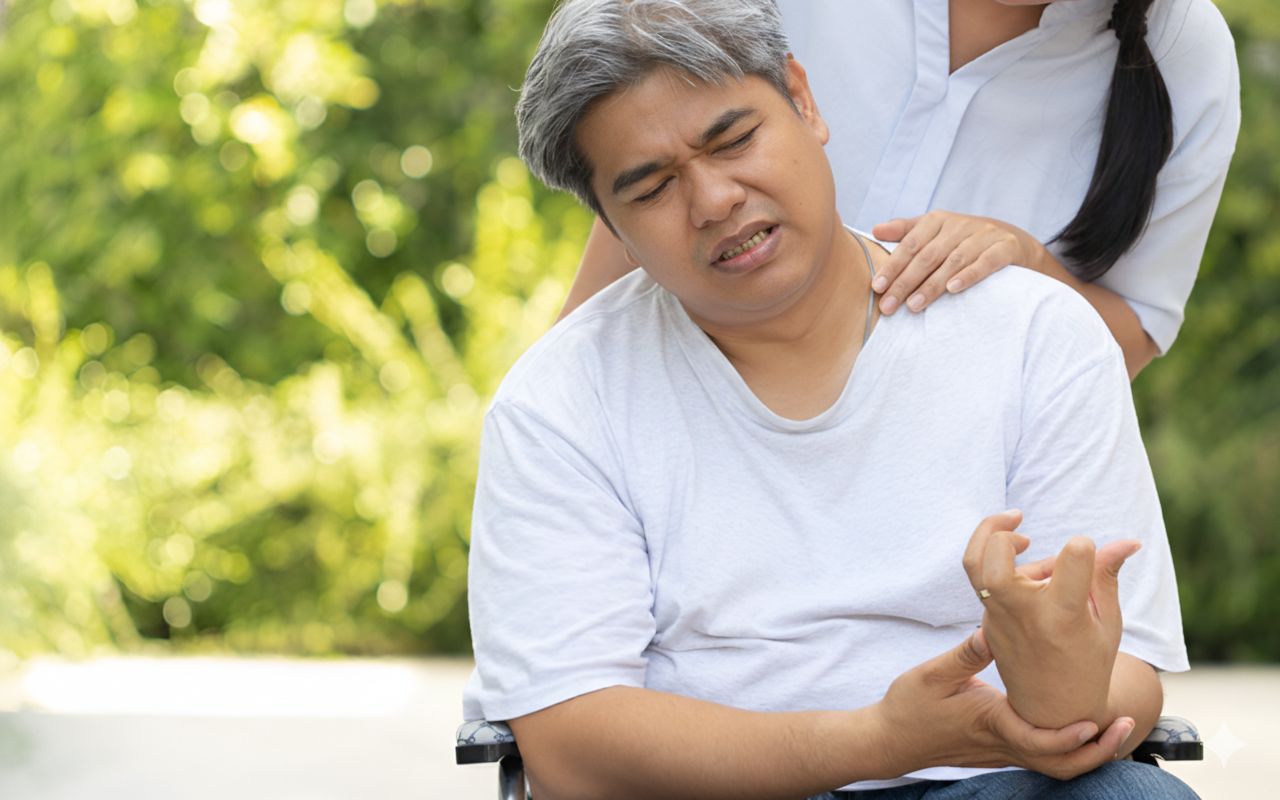
Ayurveda offers a holistic and supportive approach to Paralysis treatment, focusing on restoring nerve function, improving mobility, and enhancing overall quality of life. In Ayurveda, paralysis is commonly referred to as Pakshaghata (hemiplegia) or related Vatavyadhi (neuromuscular disorders) and is primarily caused by an imbalance of the Vata dosha. While modern medicine views paralysis as a condition that may be temporary or permanent depending on the cause (stroke, nerve injury, trauma, etc.), Ayurvedic therapies aim to improve functional recovery and prevent further deterioration. Ayurvedic treatment can be safely used alongside conventional medical care under proper professional guidance.

  • Description
  • Herbal Remedies
  • Dietary and Lifestyle Modifications
  • Exercise

Dosha Balance

Paralysis is predominantly associated with aggravated Vata dosha, which governs movement, nerve impulses, and muscle coordination. When Vata is disturbed, it leads to stiffness, weakness, loss of sensation, or restricted movement.

Detoxification (Panchakarma)

Ayurveda emphasizes cleansing and nourishing therapies to restore nerve strength and muscle control.

  • Abhyanga: Therapeutic oil massage using medicated oils to nourish nerves, improve circulation, and reduce stiffness.

  • Swedana: Herbal steam therapy to relax muscles and enhance mobility.

  • Basti:Medicated enemas, considered one of the most effective treatments for Vata disorders, helping restore nerve function and strength.

  • Nasya: Administration of medicated oils through the nose to strengthen brain and nervous system functions.

  • Shirodhara: Continuous pouring of warm herbal oil over the forehead to calm the nervous system and reduce neurological stress.


Ayurvedic herbs support nerve regeneration, reduce inflammation, and strengthen muscles.

  • Ashwagandha

  • A powerful nerve tonic that improves muscle strength and reduces neurological weakness.

  • Bala

  • Enhances nerve conductivity and supports muscle recovery.

  • Dashmool

  • A combination of ten roots effective in reducing inflammation and pacifying Vata.

  • Rasna

  • Helps relieve stiffness and improves joint and muscle mobility.

  • Brahmi

  • Enhances brain function, nerve regeneration, and mental clarity.

Diet and daily habits play a crucial role in managing paralysis by balancing Vata and promoting healing.

Recommended Foods (Pathya):

  • Warm, nourishing foods such as khichdi, soups, and stews.

  • Healthy fats like ghee and sesame oil to lubricate tissues.

  • Spices such as ginger, cumin, turmeric, and ajwain to aid digestion.

Foods to Avoid (Apathya):

  • Cold, dry, and raw foods.

  • Excessively spicy, bitter, or astringent foods.

  • Processed foods and refined sugars.

  • Physiotherapy and Yoga:

  • Gentle movements, stretching, and specific yoga asanas help restore mobility and muscle tone.

  • Pranayama:

  • Controlled breathing techniques improve oxygen supply to nerves and muscles.

  • Daily Oil Massage:

  • Regular self-massage with warm medicated oils improves circulation and reduces stiffness.

Restoring balance of doshas

To Maintain Physical, Mental, and Emotional Health.

Treating the root cause

Ayurveda removing the root cause of disease for long-term healing.

Promoting Longevity

Ayurveda works on disease prevention, improved immunity,

WhatsApp